

25 January 2025
Psychological First Aid in Times of War

In times of war, many people feel distress, sadness, and anxiety. The uncertainty and fear can be overwhelming. While some are struggling with these feelings, others want to help, whether through emotional support, social connection, or practical assistance. How can we support each other and provide psychological first aid during these tough times? This article explains what psychological first aid (PFA) is, why it matters, and how to effectively provide it.
What is Psychological First Aid?
Psychological first aid (PFA) consists of simple skills and knowledge aimed at helping people in distress. It helps individuals feel calmer and better able to cope in difficult situations, allowing them to recover from traumatic experiences. PFA offers immediate support to those who need it.
Who Can Provide PFA?
Anyone trained in PFA can help. This includes first responders, healthcare workers, psychologists, and volunteers. Importantly, many who provide PFA may not have formal psychology training, showing that anyone equipped with the right skills can offer valuable support. It’s also crucial for responders to take breaks and care for their own mental health.
Common Reactions to Crises
People often react to crises in various ways, including:
- Shock and disbelief
- Fear and anxiety
- Sadness and grief
- Anger and irritability
- Guilt and self-blame
These reactions depend on factors such as:
- The nature of the crisis: Different events can trigger different responses.
- Resilience: Some people bounce back more easily than others.
- Age and personality: These can influence how someone reacts.
- Support system: Having someone to talk to can make a big difference.
- Coping mechanisms: Everyone has their own ways of dealing with stress.
- Time since the event: Symptoms that last more than a month may indicate PTSD.
Why is Psychological First Aid Important?
Providing PFA right after an incident is crucial for several reasons:
- Reduces emotional distress: PFA helps people express their immediate needs.
- Prevents long-term issues: It can help prevent PTSD and other mental health problems.
- Promotes resilience: PFA connects individuals with resources and support.
- Restores functioning: Techniques like breathing exercises can help clear overwhelming emotions.
Key Points to Remember When Providing PFA
- Everyone reacts differently: Some may handle things on their own or with informal support.
- Respect individual needs: Not everyone wants or needs PFA.
- Witnesses need support too: Those who see traumatic events may also need PFA.
- Be aware of delayed reactions: Some people may seem calm initially but struggle later.
- Responses vary widely: Each person’s experience is unique.
Best Practices for Providing PFA
- Listen actively: Show genuine interest in what the person is sharing.
- Offer emotional support: Create a safe space for them to express their feelings.
- Provide reassurance: Let them know they’re not alone and you’re there to help.
- Stay calm: Your composure can help them feel safe.
- Be patient: Allow them to share at their own pace.
- Avoid assumptions: Don’t assume you know what they’re feeling.
- Respect cultural differences: Be mindful of their background and experiences.
- Protect privacy: Keep their information confidential, unless there’s a risk of harm.
The Three Steps of Effective Psychological First Aid:
LOOK – LISTEN – LINK
- LOOK: Assess the situation and identify who might need help. Check for safety and meet basic needs.
- LISTEN: Approach individuals, introduce yourself, and ask for permission to help. Listen carefully and validate their feelings. Use calming techniques if you’re trained.
- LINK: Help connect individuals with resources and support. Encourage problem-solving and assist them in creating a plan to address their immediate needs.
Signs for Referring to Specialized Services
Sometimes, a person may need more help than PFA can provide. Look for signs like:
- Inability to sleep: If someone can’t sleep for over a week and seems confused.
- Difficulty functioning: If daily life becomes too hard for them to manage.
- Loss of control: If their emotions become unpredictable.
- Thoughts of self-harm: If they express suicidal thoughts or threaten others.
- Substance abuse: If they start using drugs or alcohol as a coping mechanism.
In times of war, the psychological effects can be severe. Psychological First Aid plays a vital role in providing immediate support, helping people process their emotions and regain stability. By listening compassionately and connecting individuals to resources, we can foster resilience and recovery. Together, we can support one another and help those affected by conflict find hope and healing.
References
1 – American Psychological Association. (2013). Guidelines for the practice of trauma-focused cognitive behavior therapy. https://www.apa.org/practice/guidelines/trauma
2 – American Psychological Association. (2018). Trauma and PTSD: Understanding the impact of trauma. https://www.apa.org/topics/trauma
3 – World Health Organization. (2011). Psychological first aid: Guide for field workers. https://www.who.int/publications/i/item/psychological-first-aid-guide-for-field-workers
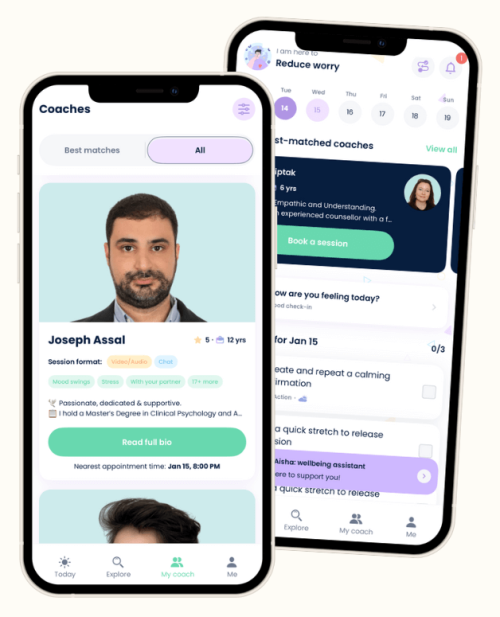
This article was written by Joseph Assal, a MindTales psychologist. You can book a session with him on the MindTales app