

31 May 2024
Secrets of Sleep Hygiene
Sleep hygiene
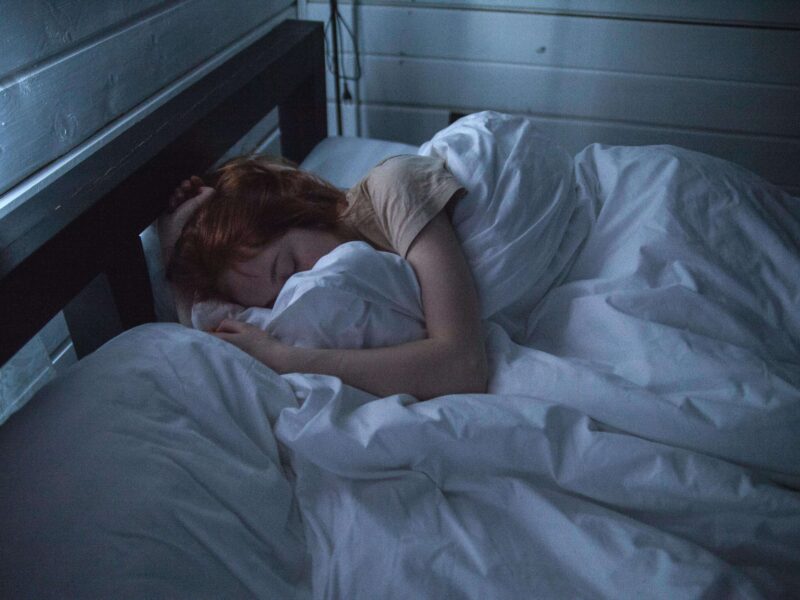
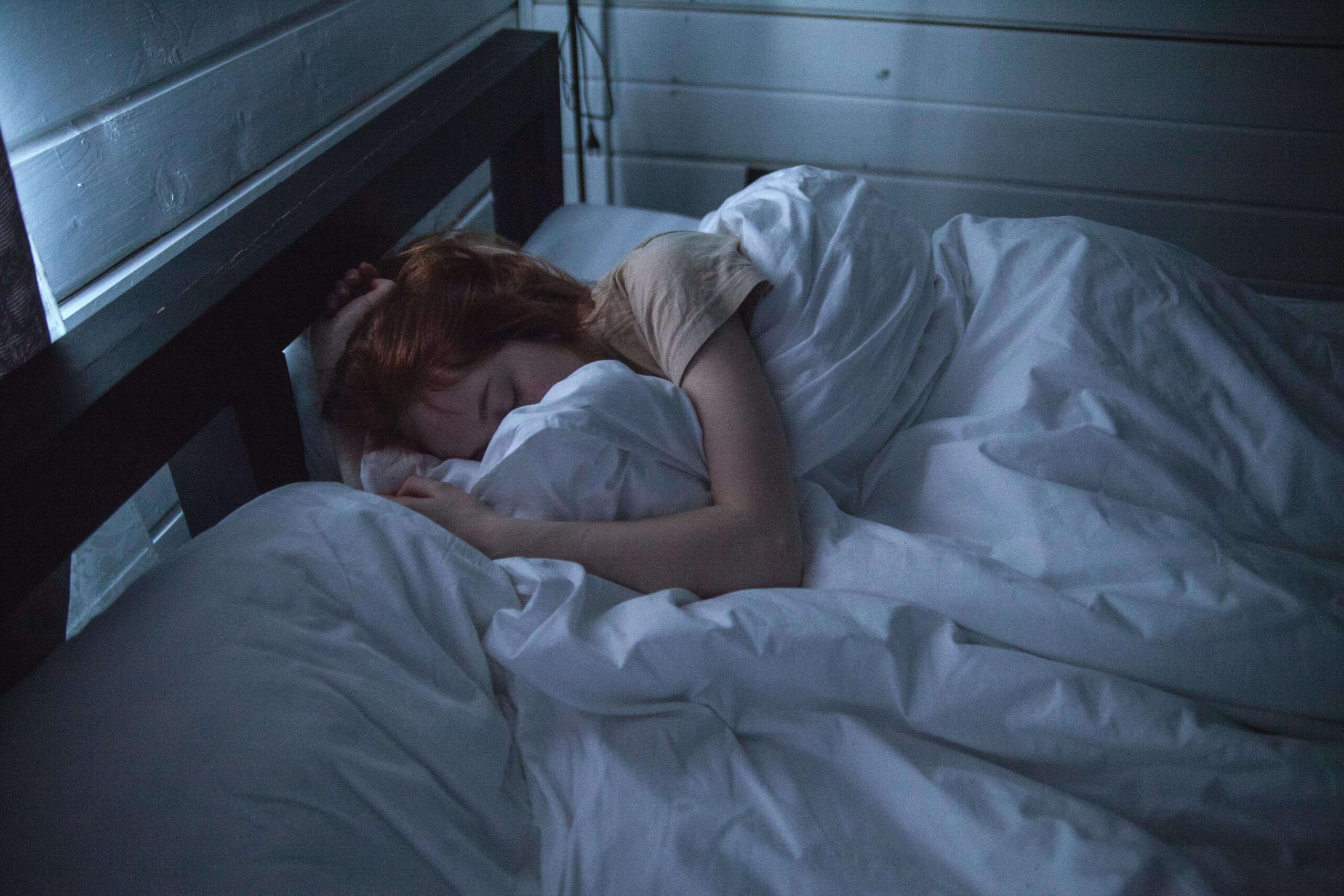
Ever heard that happiness consists of getting enough sleep? High-quality sleep boosts your emotional health and body functioning, strengthens your memories and more. A good night’s rest seems like a simple quest. Yet 90% of UAE residents report that they feel sleep-deprived.
How does your sleep cycle work?
To boost your sleep quality, learn more about your sleep-wake cycle. This cycle is determined by your circadian rhythm (your “biological clock”) that regulates your hormone production when it’s time to energise or relax. Your “biological clock” knows when to do this using cues from your environment, like exposure to light. That’s why popular sleep advice is limiting your exposure to screens before bedtime.
What are the phases in your sleep cycle?
REM (rapid eye movement) and NREM (non-rapid eye movement) are the two major phases of your sleep cycle. You spend most time in NREM sleep, which includes the process of transitioning from light rest into deep sleep. REM sleep follows the final stage of NREM sleep. This is the stage where dreams occur. Your body briefly shifts into an awakened state and you may find yourself shifting sleep positions. Afterwards, your body drifts back into NREM sleep and the cycle continues.
What affects your sleep?
Rumination, anxiety, depression, sleep apnea and other reasons might interrupt your sleep cycle. These factors can cause or be caused by low quality sleep. Some people find that counselling or medication is helpful. For others, sleep issues can be cured with sleep hygiene and healthy nighttime routines. Test out different strategies to know what works best for you.
What are tips for a nighttime routine?
Your habits may impact your sleep without you knowing. This includes eating meals or exercising right before you sleep. Having a nighttime routine is a great way to transition from work to rest. Put your gadgets away 30 minutes before bedtime. Try light activities like journaling, taking a warm bath or meditating. This will release tension and slow down any racing thoughts.
What are science-backed sleep tips?
Avoid excessive napping and try not to consume highly caffeinated drinks close to your bedtime. Organize your rest space so that it promotes relaxation. We’re talking about dark-colored, soft covers and thick curtains that keep out light. Always think of your bedroom as a sleep sanctuary.
If you’re experiencing sleepless nights on end, you may start to feel hopeless. But with the right tools, you can definitely overcome sleep issues.
Check your mental health instantly—use our Stress Level Calculator now.