

26 March 2024
Harmony in Diversity: Cultural Influences on Mental Wellness During Ramadan
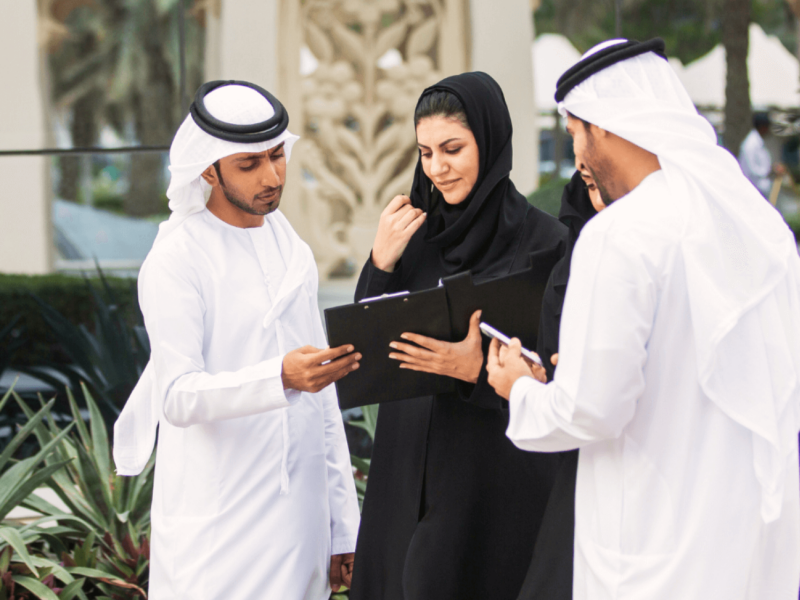
In the vibrant mosaic of cultures that make up the United Arab Emirates (UAE), Ramadan holds a special place as a time of reflection, community, and spiritual growth. This holy month offers a unique opportunity to explore the intersection of cultural diversity and mental wellness. As MindTales, we delve into how the varied practices and traditions of Ramadan can influence mental health and foster an environment of harmony and well-being.
Cultural Diversity and Mental Wellness in Ramadan
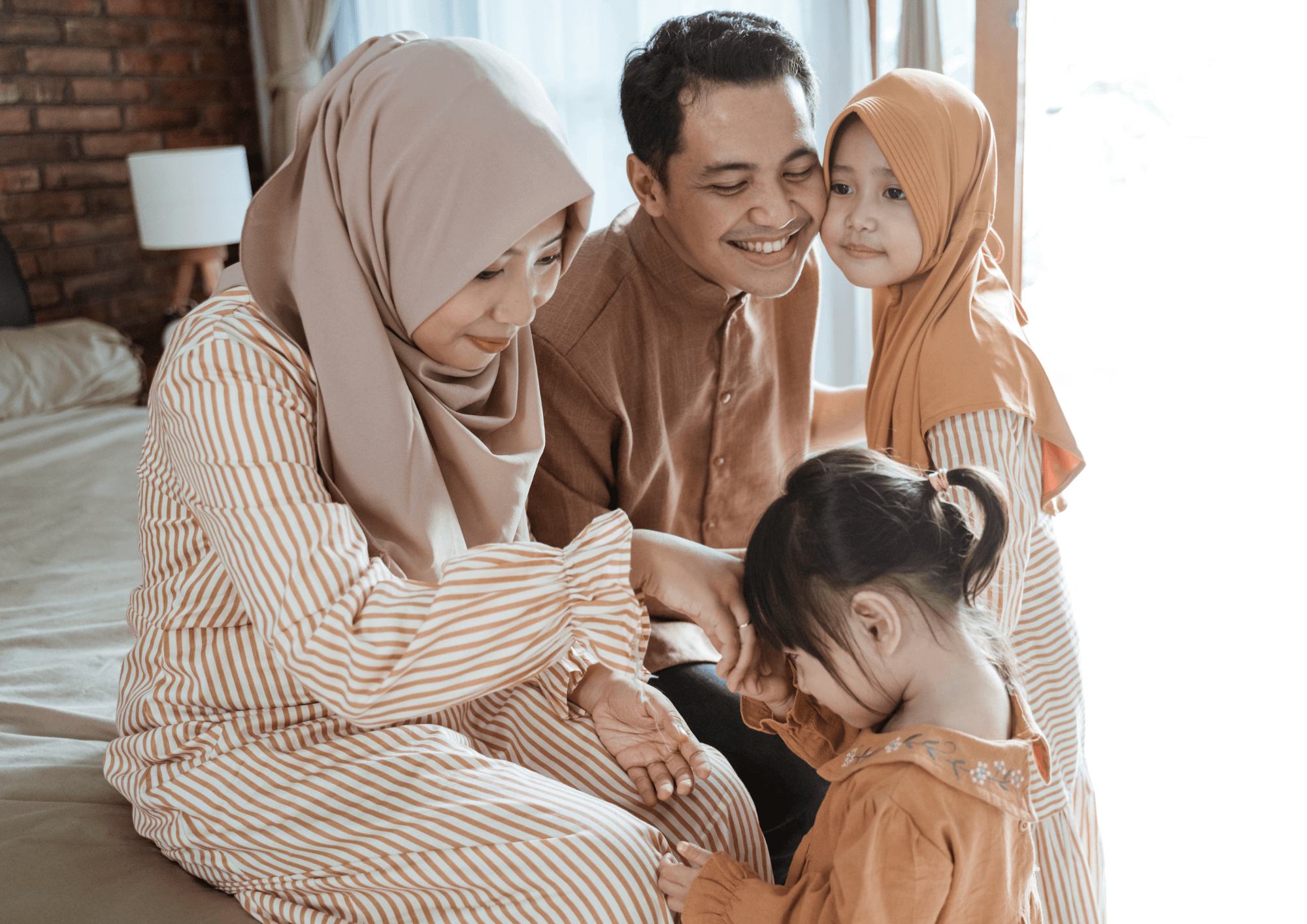
Ramadan, observed by millions of Muslims around the world, is a period of fasting, prayer, and reflection. In the UAE, a nation characterized by its cultural diversity, Ramadan brings together individuals from various backgrounds to participate in this sacred time. The collective experience of fasting from dawn until sunset, followed by the breaking of the fast (Iftar) with family and friends, underscores the importance of community and support systems in promoting mental wellness. The practice of fasting, beyond its spiritual significance, can also offer psychological benefits. It encourages discipline, self-control, and mindfulness, which are key components of mental health. The anticipation and preparation for the nightly Iftar meal foster a sense of belonging and togetherness, crucial for emotional well-being.Nurturing Mental Wellness During Ramadan
- Embrace Community Support: Engage in communal prayers and Iftar gatherings to foster a sense of belonging and shared experience. Participate in charity and volunteer activities, enhancing feelings of purpose and contributing to community well-being.
- Practice Mindfulness & Reflection: Utilize the time of fasting for self-reflection and meditation, focusing on personal growth and spiritual well-being. Acknowledge and respect your body’s signals, adapting your activities to maintain balance and health.
- Foster Inclusivity and Understanding: Embrace the diversity of Ramadan practices and traditions among different cultures, enriching your understanding and appreciation. Share your Ramadan experiences with friends and colleagues from different backgrounds, promoting cross-cultural understanding and empathy.
- Maintain Physical Health: Ensure balanced and nutritious meals during Suhoor and Iftar to support physical and mental health. Incorporate light exercise, such as walking or yoga, to enhance your mood and energy levels.
- Seek Professional Support When Needed: Recognize the importance of professional mental health support, especially if you experience heightened stress, anxiety, or isolation during Ramadan. Utilize mental health resources and services available in the community to address any challenges effectively.